
Blueberry Season Timing and Locations
When berries are ready to pick, which routes pass through the best picking areas, and what to bring for harvesting.
Blueberry picking season is the best time to walk the heath woodland paths around Varėna. You're not just out for a stroll — you're there to gather something real. The berries ripen gradually from late July through August, and if you know where to look, you'll find plenty. It's a different kind of walk than usual.
Here's what matters: timing, location, and what you actually need to bring. We've picked the routes that pass through the thickest berry patches, timed the ripeness windows, and listed the gear that makes picking comfortable instead of frustrating.
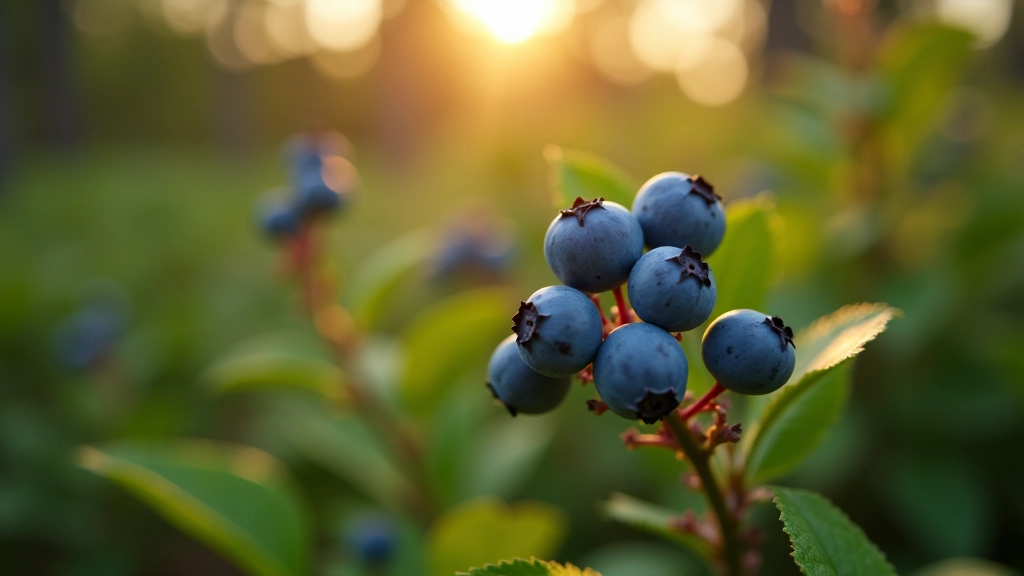
When Blueberries Actually Ripen
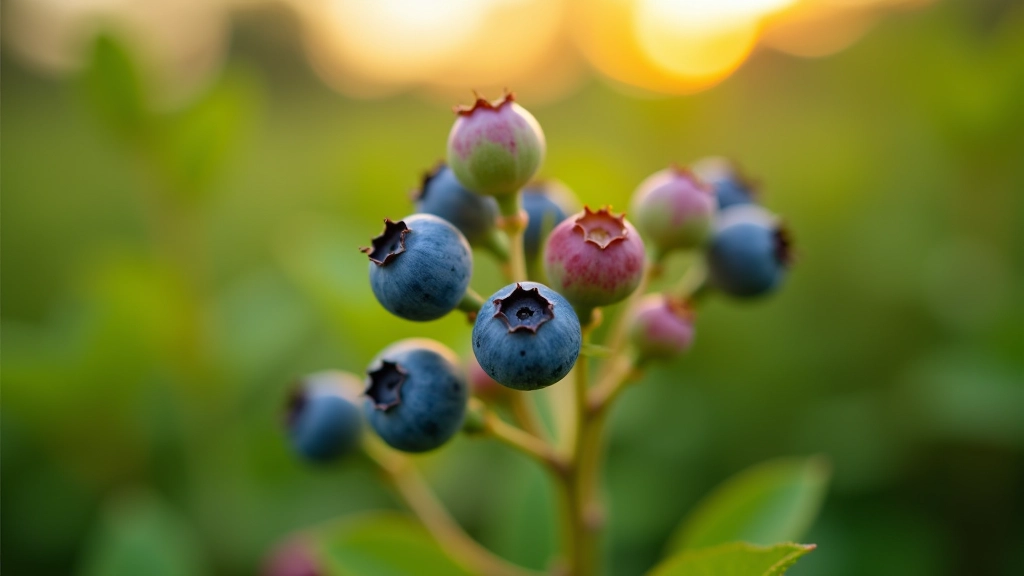
Late July is when you'll start seeing ripe berries. They don't all ripen at once — that's the key thing. Early in the season, you'll find maybe 30-40% of the bushes with dark, ready-to-pick berries. By mid-August, you've got a full harvest. But here's the thing: after mid-August, you'll find fewer berries because birds and other walkers have already picked them over.
The sweet spot is the first two weeks of August. The berries are plentiful, the weather's usually warm enough for a comfortable walk, and you won't be fighting through crowds. Temperature matters too — pick in the morning or late afternoon when it's cooler, not midday heat.
Peak Picking Window
August 5-20 is your best window. Berries are ripe, abundant, and weather conditions are usually reliable. Mornings are ideal — less heat, better picking conditions.
Best Routes for Picking
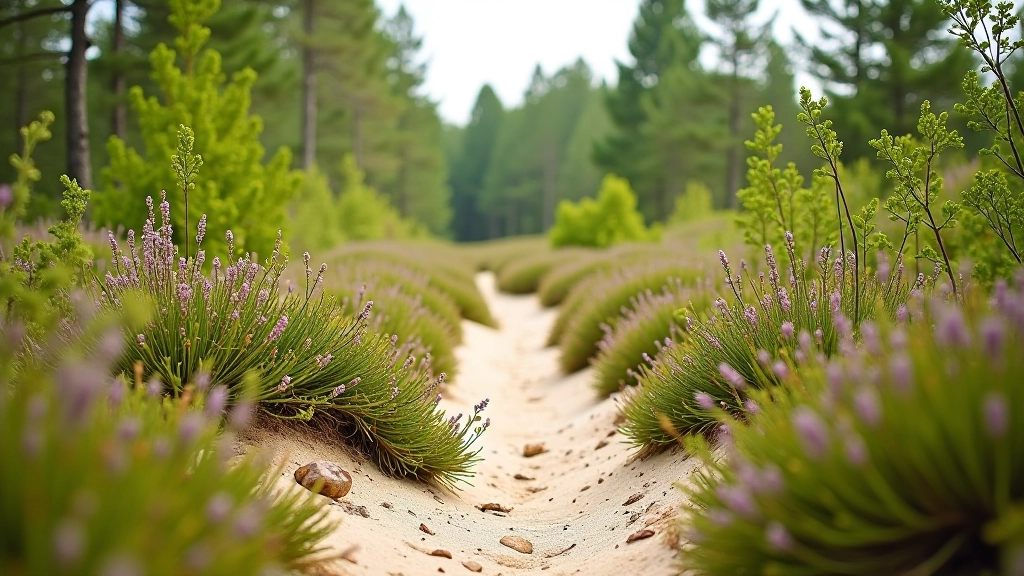
Not all paths go through good picking areas. You want sandy heathland with low-growing vegetation. The main routes that pass through thick berry patches are the ones that loop through the open heath areas, not the dense forest sections.
The eastern loops tend to have denser berry coverage than the western routes. This is because the soil composition and drainage are better suited to the shrubs. You'll notice the difference immediately — thick bushes covered in berries versus scattered thin growth. Focus your picking on these areas and you'll gather a decent amount without wandering aimlessly.
- Eastern heath loop: highest concentration of ripe berries
- Northern clearing: open exposure, good afternoon picking
- Central ridge: moderate density, scenic views included
What to Bring for Picking
Picking isn't like a regular walk. You're bending, reaching, and moving slowly through the shrubs. What you carry makes a real difference in comfort and success.
Containers
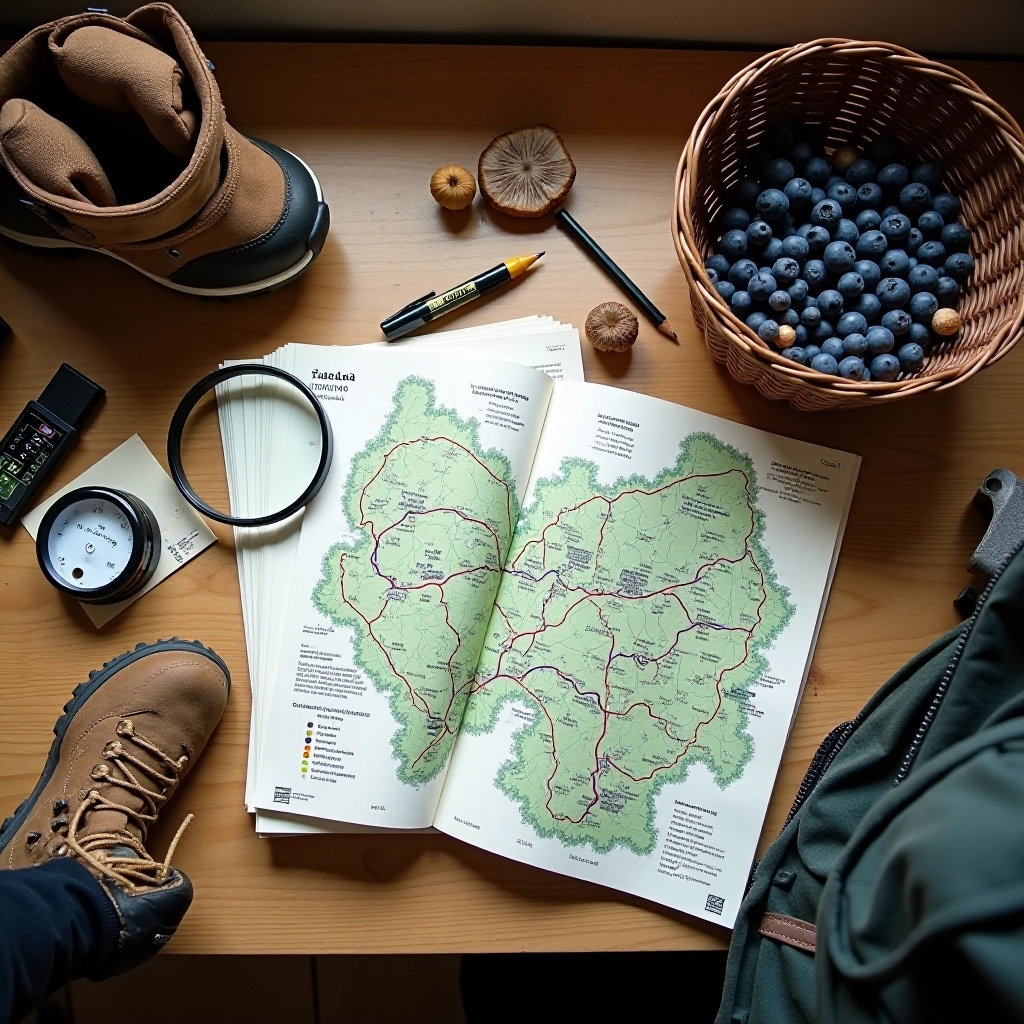
Bring small containers that sit flat in your pack — plastic takeout containers work well, or shallow baskets. Don't use tall bags where berries get crushed at the bottom. Aim for 2-3 liters capacity. Some walkers bring old ice cream buckets with handles for easy carrying.
Hand Protection
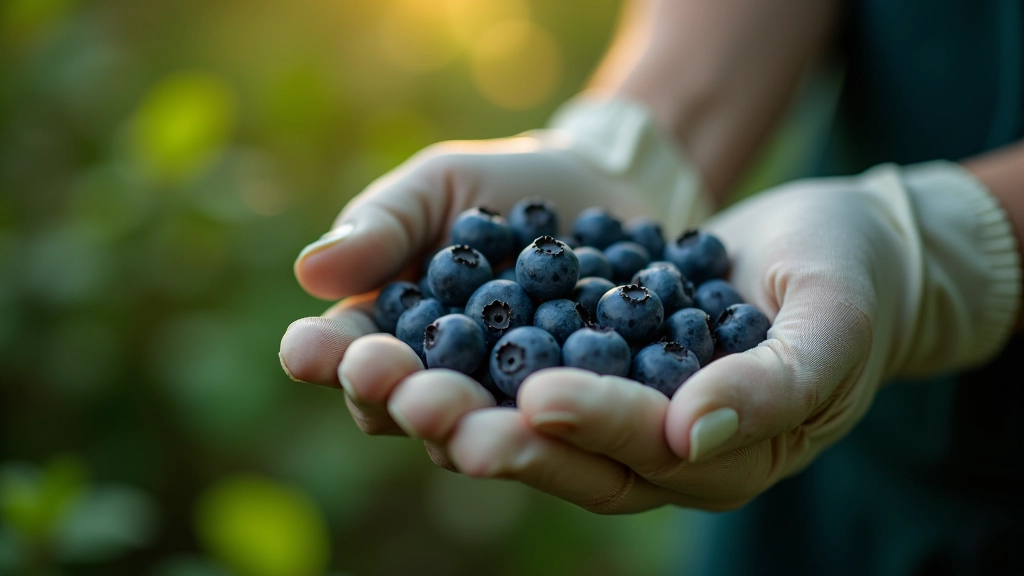
Light gloves help protect your hands from scratches. The shrub branches aren't thorny, but they're stiff and can scrape you after 90 minutes of reaching. Cotton or nitrile gloves work fine. You'll still feel the berries well enough.
Sun and Water
Bring at least 1 liter of water. You're not moving fast, so you'll feel the sun more. Sunscreen matters — the heathland has little shade. A wide-brimmed hat keeps you comfortable during the 2-3 hours you'll spend picking.
Comfortable Shoes
Sandy terrain means proper footwear matters. Your regular walking shoes are fine, but avoid anything with mesh that lets sand in. Low boots or high-ankle shoes keep your feet comfortable during the longer time you'll spend bent down picking.
Picking Techniques That Work
Don't squeeze the berries when you pick — that's the main mistake. A gentle twist and lift is all you need. Ripe berries come away easily. If you're pulling hard, they're not ready yet, so move on to another bush.
Work systematically around each bush. Start at the outer edges where berries get more sunlight, then work inward. You'll pick faster this way and you won't miss patches. Spend 5-10 minutes on a thick bush, then move to the next. Don't exhaust yourself on a single spot.
Pick in the morning when the berries are cool. They stay fresher longer and won't get soft during your walk. Berries picked in afternoon heat bruise more easily and ferment faster once you're home.
Distance and Timing
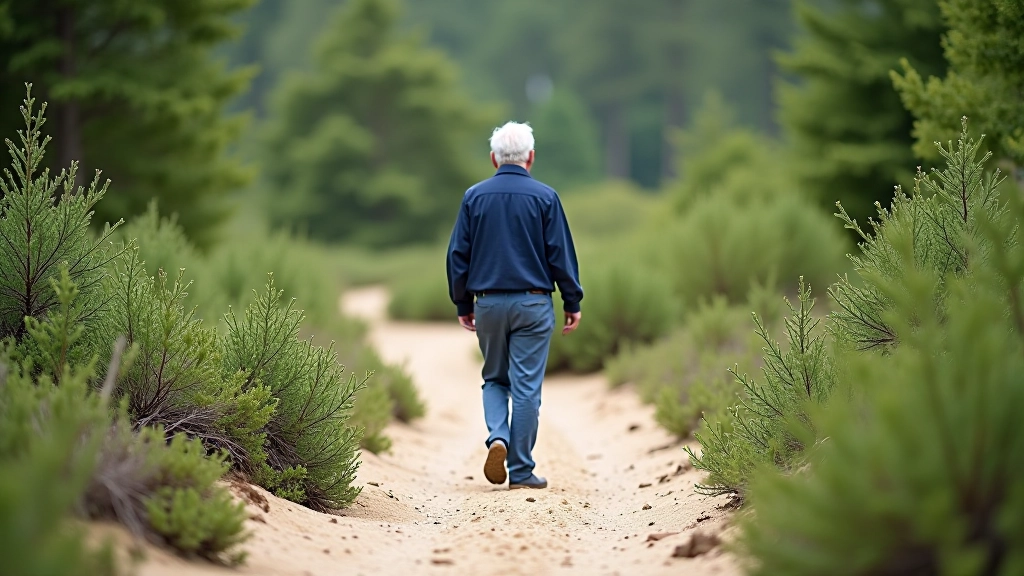
A typical picking walk covers 4-5 kilometers, but you're not moving fast. You'll spend 2-3 hours total. That's walking time plus picking time mixed together. It's not a fitness walk — it's a foraging walk.
Plan for a loop route that brings you back to where you started. This way you're not stuck at the far end of a path when you've filled your containers. The eastern heath loop is about 4.5 km and takes 2.5-3 hours with picking included. It's suitable for most fitness levels as long as you're used to regular walking.
Making the Most of Blueberry Season
You've got a window of about 4-6 weeks where picking is genuinely worth your time. Start early in the season before others pick the easy-to-reach berries. Bring the right containers and protection, and you'll walk away with a real harvest. It's not complicated — just know when to go, where to look, and what to bring.
The heath woodland in August is a different place when you're there to pick. You notice details you'd miss on a regular walk. The texture of the shrubs, which patches are densest, how the light changes through the afternoon. It's a slower kind of walking, and that's the point.
Practical Information
Choose activities that match your fitness level, check local conditions before travelling, and speak with your GP if you have health concerns before starting a new activity. Weather in the heath can change quickly — bring extra water and protective clothing. Always stay on marked paths and be aware of other walkers and wildlife.
Related Guides
Starting Out on Sandy Paths
What to expect on your first walk — surface conditions, distance markers, and rest points.
Mushroom Trail Basics for Walkers
Learn which areas are best for spotting edible varieties and how to identify common types.
Packing Smart for Heath woodland Walks
Essential gear for easy day hikes — footwear for sandy terrain, water, rest breaks.
Author
Varėna woodland Editorial Team
Editorial Team
Written by the Varėna woodland editorial team, focused on practical, honest guides for accessible woodland hikes and easy forest trails.