
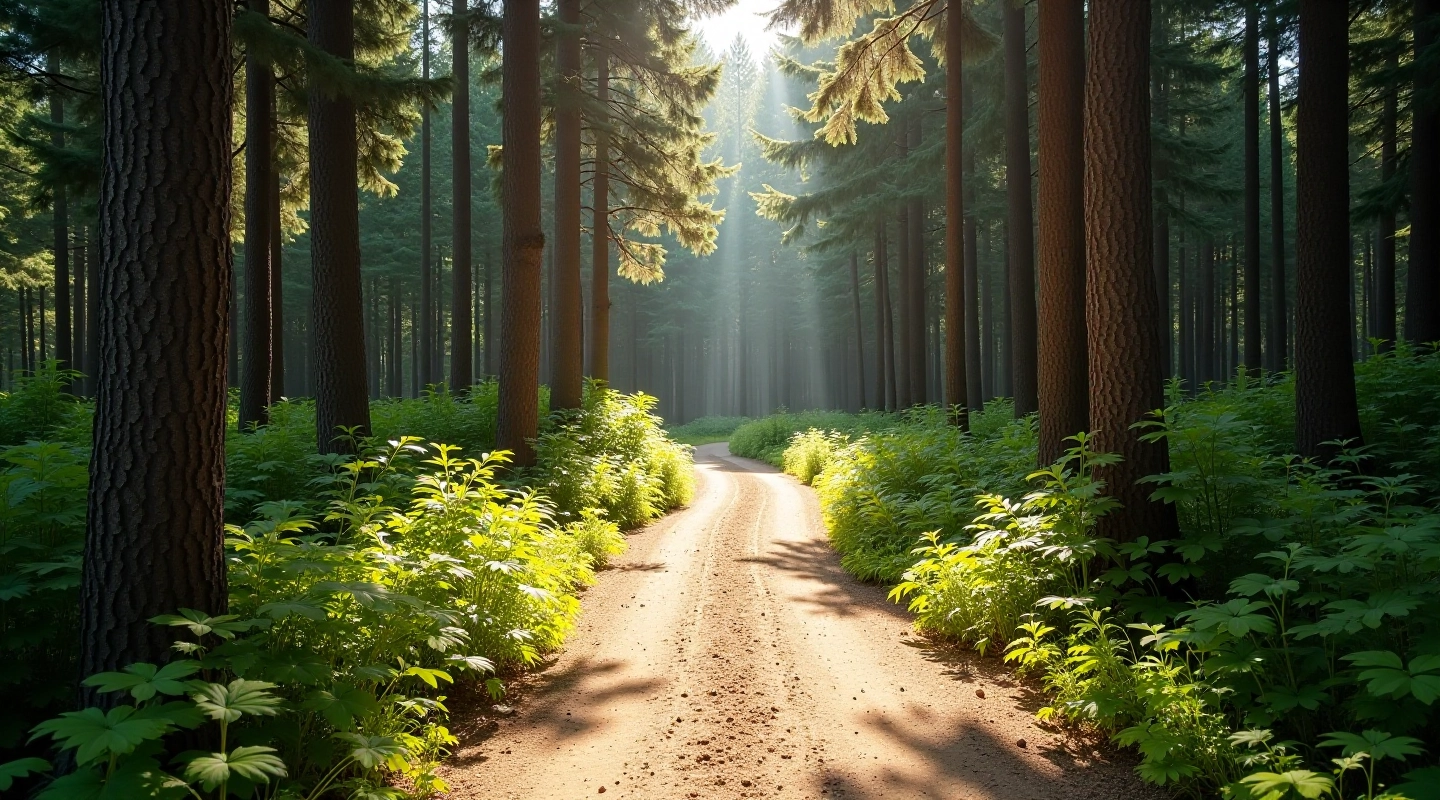
Starting Out on Sandy Paths
What to expect on your first walk — surface conditions, distance markers, and rest points along the main routes.
Read ArticleLearn which areas are best for spotting edible varieties and how to identify common forest mushrooms safely.
Mushrooms aren't just background decoration on a woodland walk — they're fascinating to observe and, if you know what you're doing, rewarding to collect. The Varėna heath region has excellent conditions for mushrooms, especially during autumn when moisture builds up on the sandy forest floor.
This guide focuses on safe identification and the best spots to explore. We're not encouraging you to become a forager overnight. Instead, we're sharing practical techniques that experienced walkers use to appreciate mushrooms responsibly.
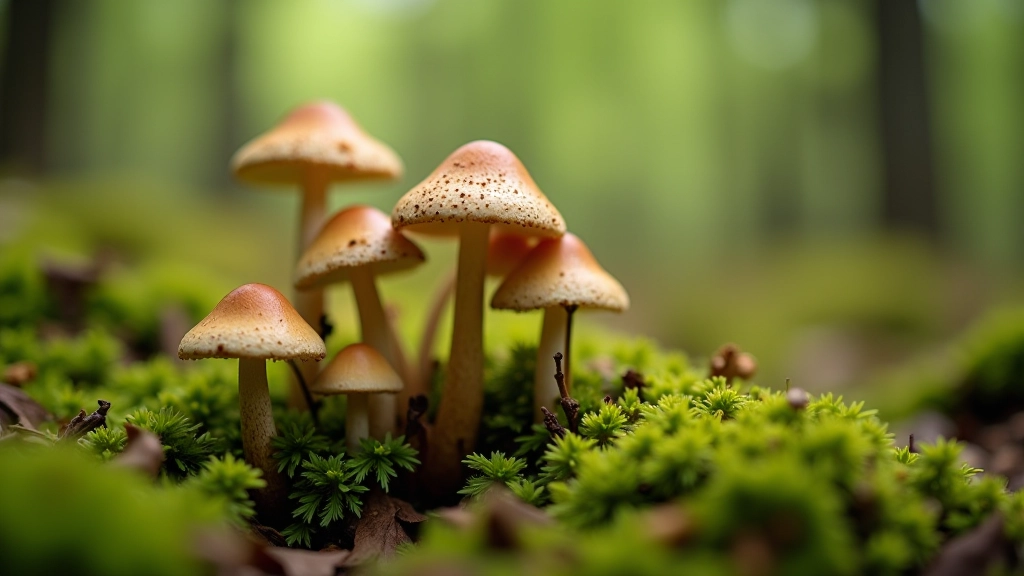
The sandy soils and pine forests around Varėna create ideal conditions. Look for mushrooms near dead wood, under rotting logs, and in areas with thick moss coverage. You'll find different species depending on the season — spring brings morels, autumn brings everything else.
The best spots aren't secrets. They're the naturally damp areas where the ground stays cool and moist. Pine and birch forests work particularly well because they don't dry out as quickly as open heathland.
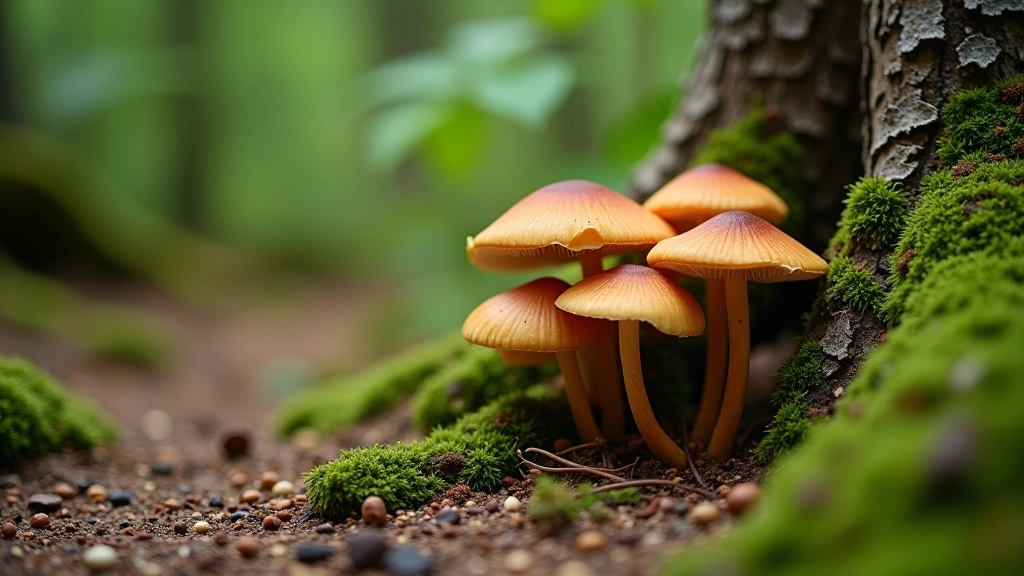
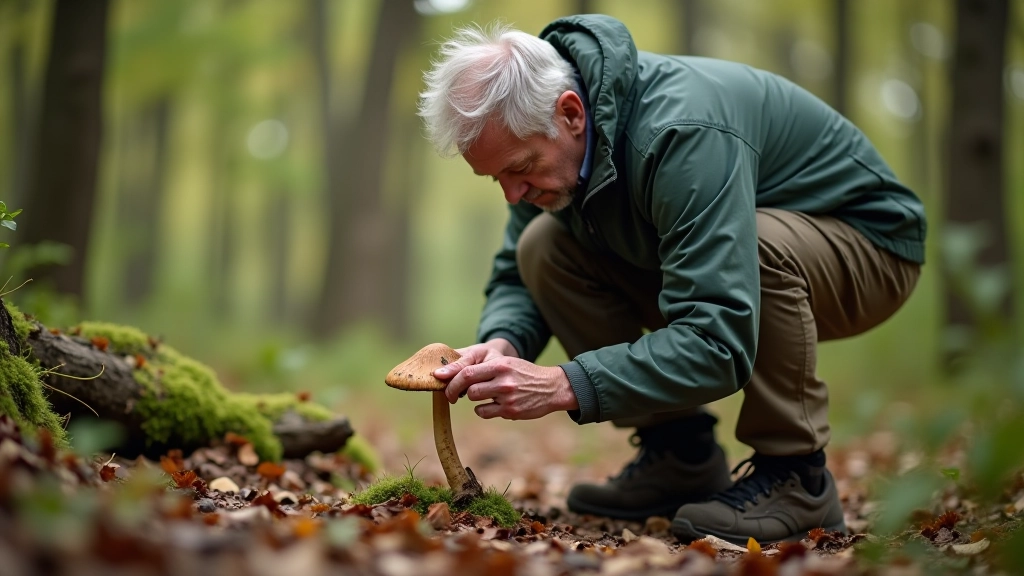
Don't rely on a single feature. You'll need to look at several characteristics before you're confident about what you've found. Cap shape, color, gill structure, and stem appearance all matter.
The most important rule: if you're not certain, don't pick it. Seriously. Poisonous mushrooms can look remarkably similar to edible ones, especially when you're just starting out. We know experienced foragers who still bring a field guide on every walk.
Key point: Check multiple characteristics — cap color alone isn't enough. Look at how the gills attach to the stem, whether there's a ring or cup at the base, and the texture of the cap.
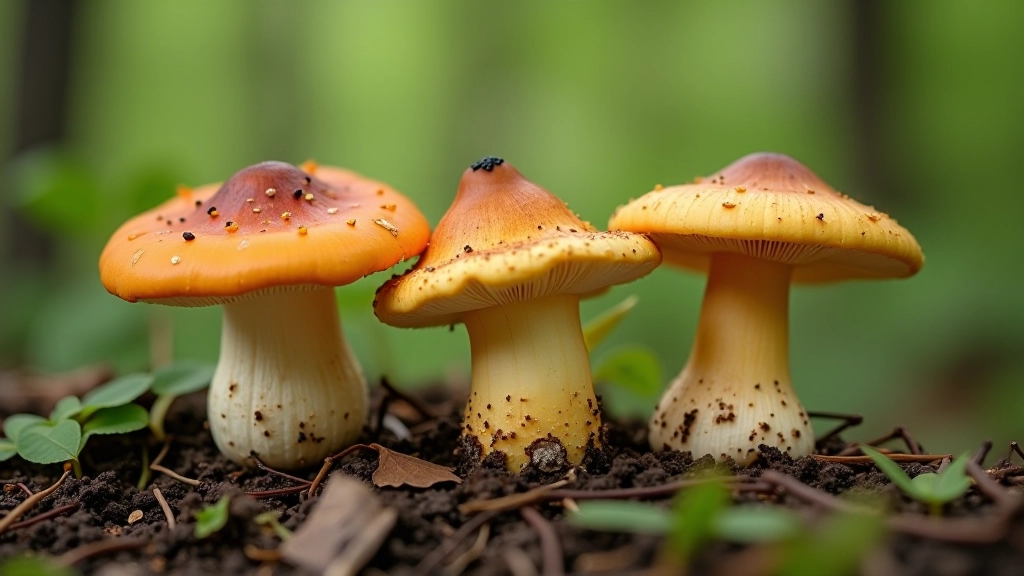
The Varėna region has several reliable mushrooms that appear regularly. Penny bun mushrooms (porcini) show up in late summer and autumn. They've got a thick stem, brown cap, and the underside has tiny pores instead of gills — that's a giveaway. If you find one, you're lucky. They don't appear every year in the same spot.
Chanterelles are more common and easier to spot once you know what to look for. They're yellow or orange, have a funnel shape, and the ridges underneath run all the way down the stem. You'll often find them in clusters.
Honey mushrooms grow on wood — usually on dead or dying trees. They come in bunches, have a thin stem, and a slightly sticky cap. The key detail is the ring around the stem, which helps separate them from toxic lookalikes.

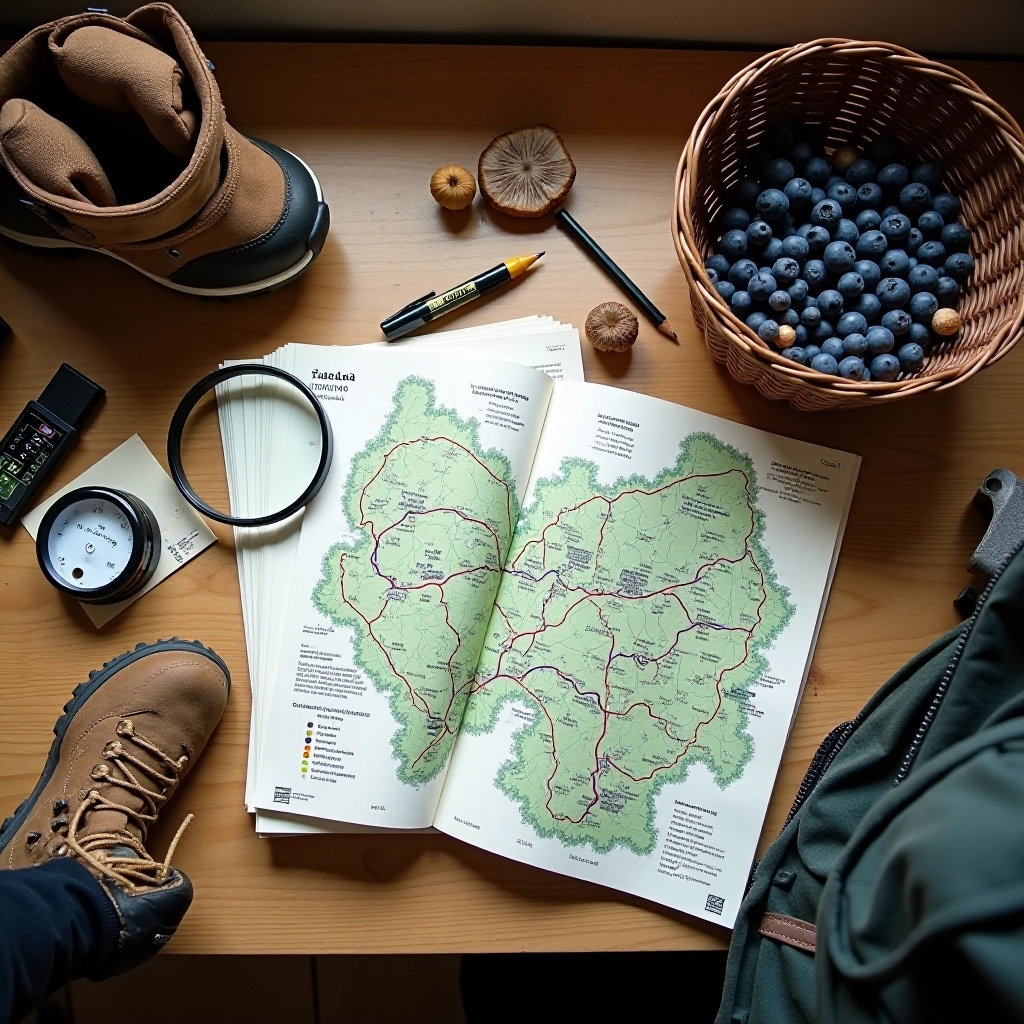
A proper field guide is essential. Not the ones on your phone — a real printed guide you can flip through while you're standing in the forest. You won't have phone signal in most of the Varėna woods anyway.
Bring a hand lens or small magnifying glass. It sounds excessive, but gill attachment and tiny details matter. A 10x magnifier costs about the same as a coffee and helps you see features you'd otherwise miss.
A small notebook works better than photos. Write down where you found something, what the ground conditions were like, and which other plants were nearby. Over time, you'll notice patterns that help you predict where certain mushrooms appear.
Author
Editorial Team
Written by the Varėna woodland editorial team, focused on practical, honest guides for accessible woodland hikes and easy forest trails.
Mushroom spotting adds a layer of interest to any woodland walk. You'll start noticing seasonal patterns, learning which areas produce which varieties, and developing the kind of knowledge that only comes from spending time outdoors. It's not about collecting a haul — it's about understanding what's happening in the forest around you.
Take your time. Don't rush through the woods expecting to fill a basket. The real reward is in the looking — the careful observation, the small discoveries, the moments when you finally recognize something you've been trying to identify for weeks. That's where the pleasure comes from.
Start with easy-to-identify varieties. Build your confidence. Use your field guide. Ask local foragers questions. And always, always be certain before you pick anything you plan to eat.
This guide is for educational purposes. Choose activities that match your fitness level, check local conditions before travelling, and speak with your GP if you have health concerns before starting a new activity. Always verify mushroom identification with multiple reliable sources before consuming any foraged food.
What to expect on your first walk — surface conditions, distance markers, and rest points along the main routes.
Read Article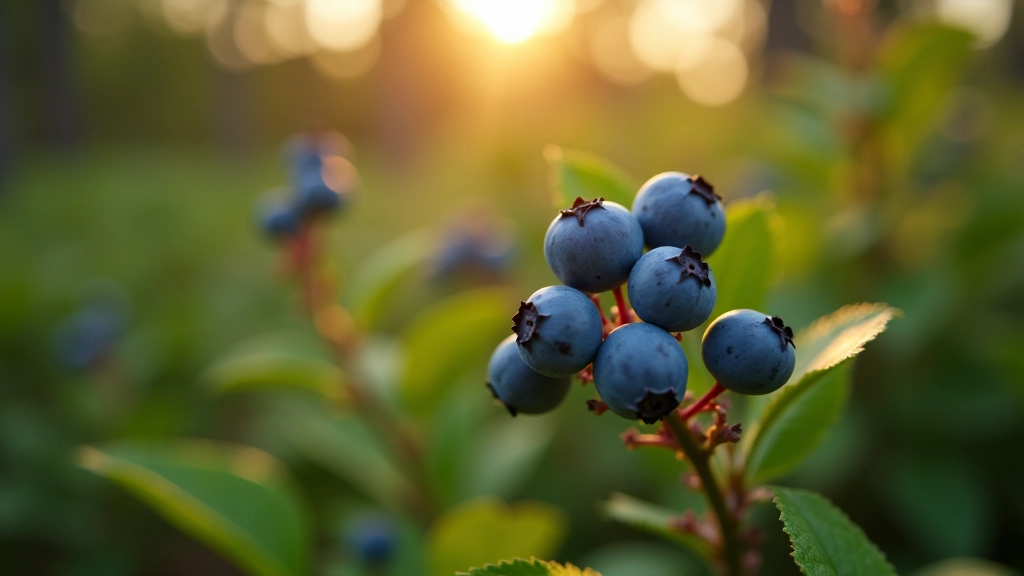
When berries are ready to pick, which routes pass through the best picking areas, and seasonal variations year to year.
Read Article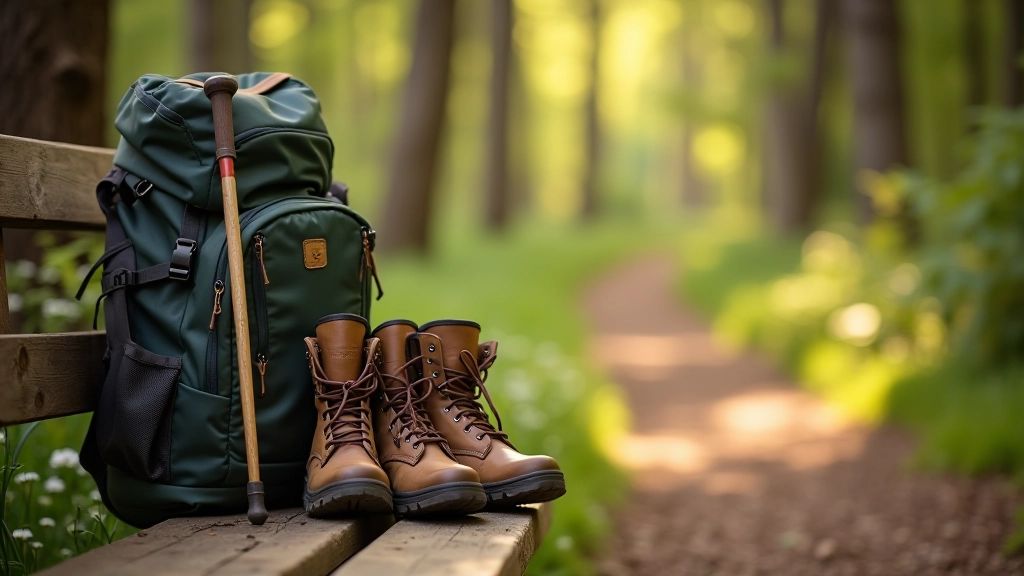
Essential gear for easy day hikes — footwear for sandy terrain, water, rest breaks, and protection from weather.
Read Article