
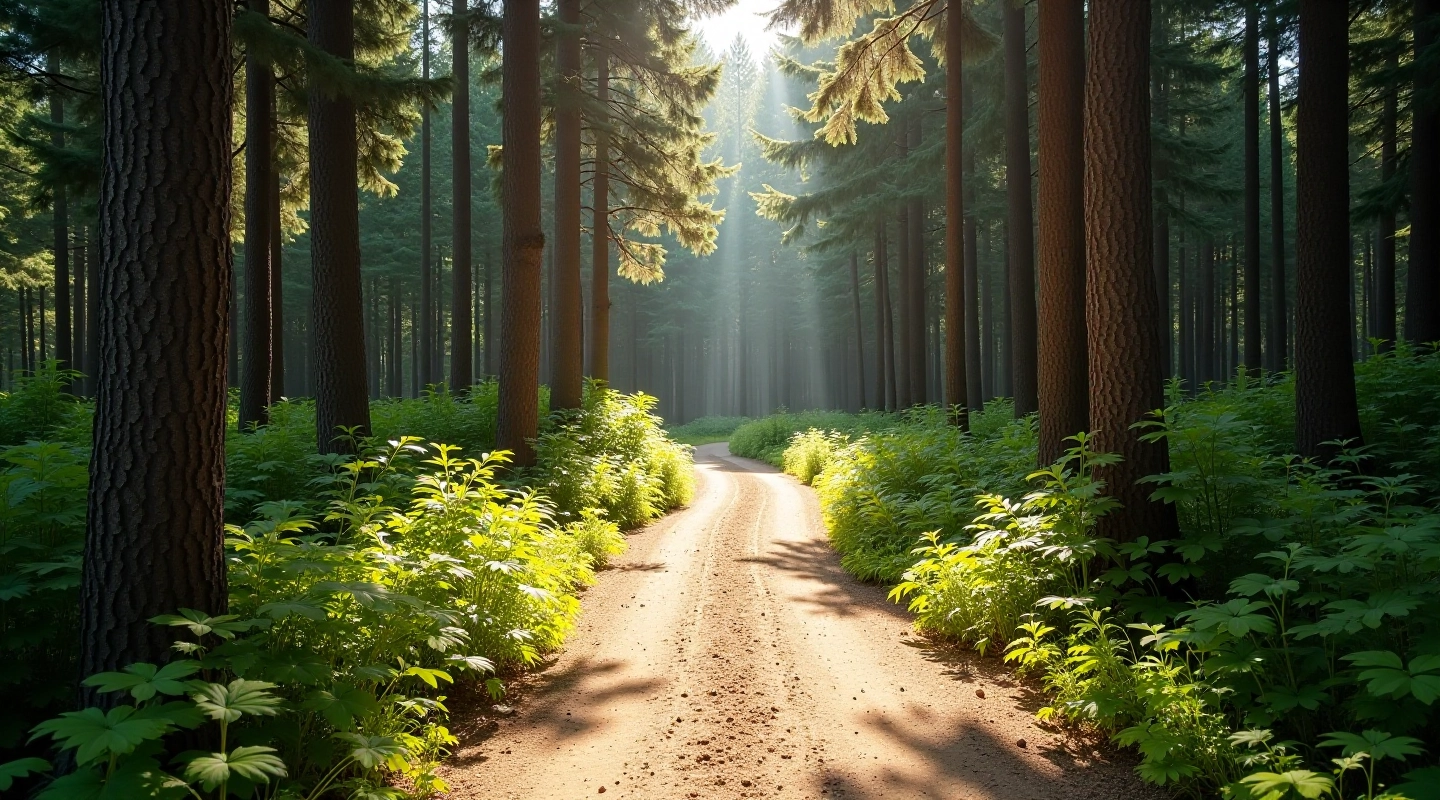
Starting Out on Sandy Paths
What to expect on your first walk — surface conditions, distance markers, and rest spots along the way.
Read MoreEssential gear for easy day hikes — footwear for sandy terrain, water, rest breaks, and seasonal considerations.
Walking on the heath doesn't require fancy equipment or a lot of expense. What it does need is the right approach — knowing what actually matters and what's just extra weight in your rucksack. We've spent time on these sandy paths in all seasons, and we've learned what keeps people comfortable and safe.
The terrain here is different from regular woodland trails. Sand shifts underfoot, the sun reflects off lighter areas, and there's not always shelter from wind. But once you understand what to pack and why, you'll feel confident heading out on any day.
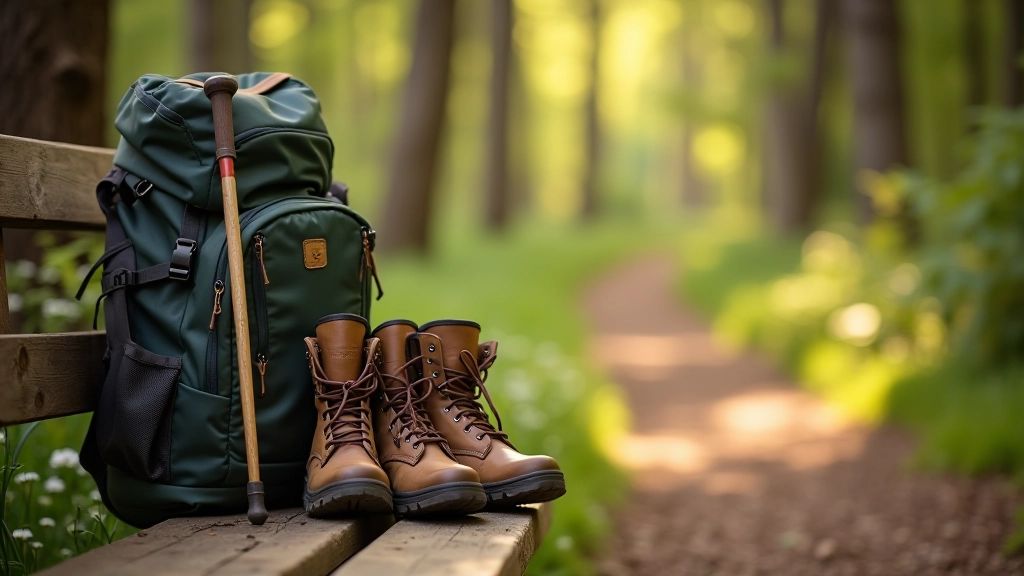
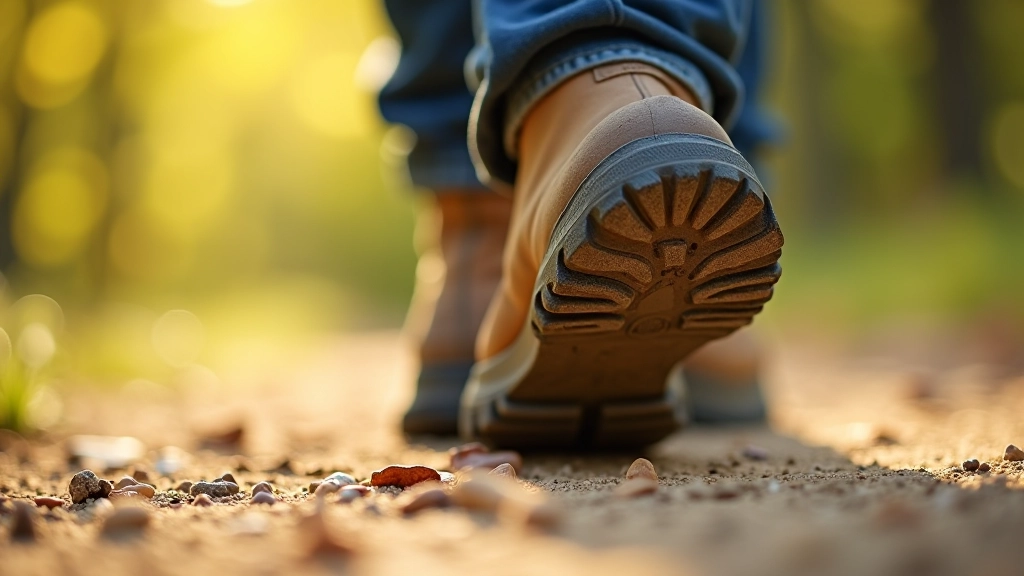
Your feet matter most. Sand is forgiving but unpredictable — it shifts, compacts, and occasionally offers loose patches that'll twist an ankle if you're not prepared. Regular trainers won't cut it. You need shoes with ankle support and a proper grip.
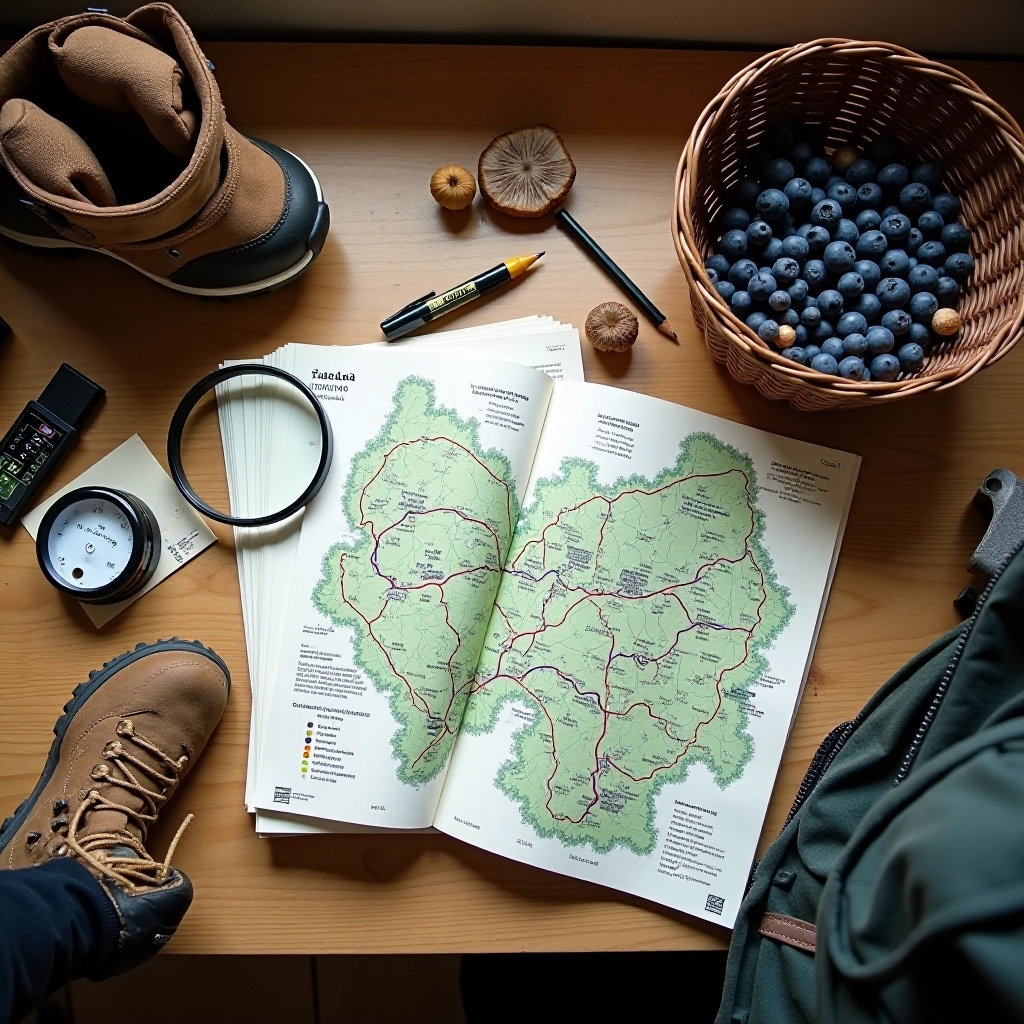
Walking boots designed for light hiking work best here. They're higher than trainers, which means your ankle stays stable on uneven ground. The soles grip sand better than smooth trainers, and they're usually waterproof or water-resistant — important when morning dew sits heavy on the heather. Spend proper money on this. Uncomfortable feet end walks early, and you don't want that.
Socks matter too. Cotton holds moisture and causes blisters. Merino wool or synthetic blends wick moisture away and keep your feet dry. Two pairs is sensible — swap them halfway through if you're walking longer than three hours.
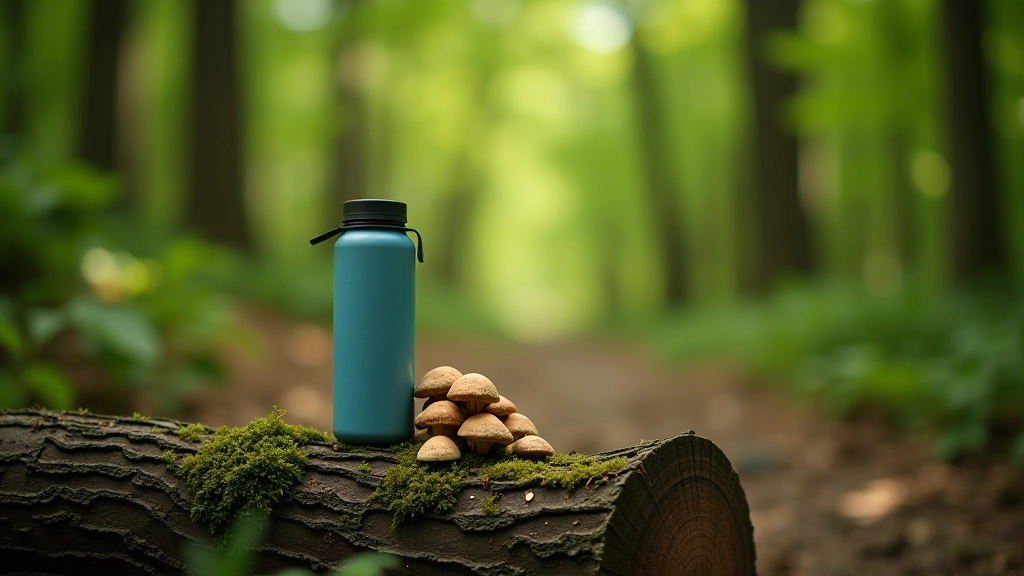
Dehydration sneaks up on you. The heath is open and exposed, which means the sun drains your energy faster than you'd expect. Even on cooler days, you're losing water through sweat and breath.
Carry at least 1.5 litres of water for a three-hour walk. That's not excessive — it's practical. You'll drink about 500ml per hour depending on your pace and the temperature. Bring a proper water bottle, not a flimsy plastic one. Hydration packs work well too, letting you sip without stopping constantly.
Food keeps your energy steady. A banana, handful of nuts, energy bar, or cheese sandwich — something with carbs and a bit of protein. Eat small amounts every 60-90 minutes rather than one big snack halfway through. Your body'll thank you, and you won't hit that sudden energy crash.
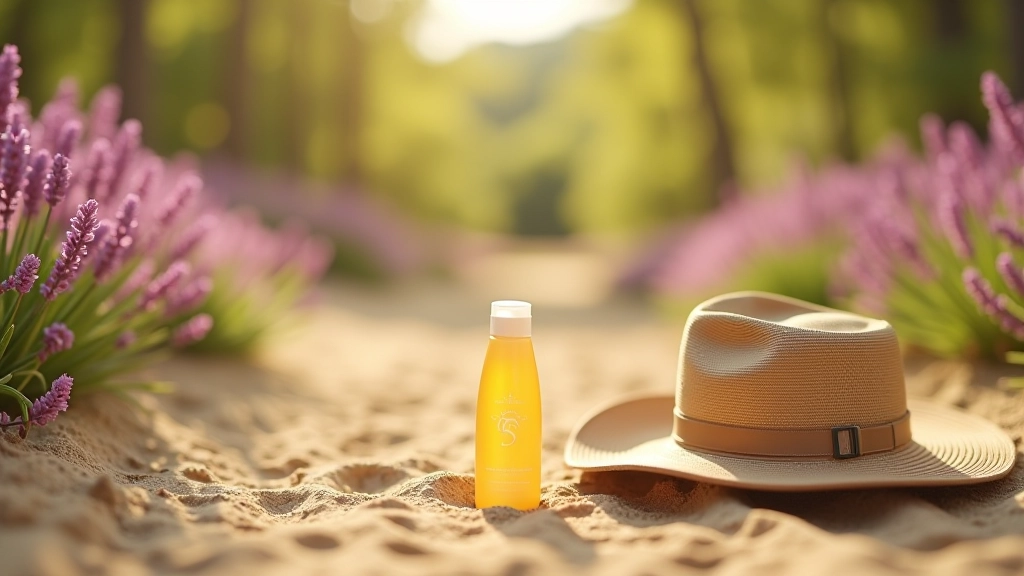
The heath has very little shade. This is both beautiful and demanding. On sunny days, UV exposure is real and direct. Sunscreen isn't optional — it's basic protection. Apply it 15 minutes before you head out and reapply after a couple of hours. SPF 30 minimum, SPF 50 if you've got sensitive skin or you're out for longer than four hours.
A hat keeps sun off your face and helps regulate body temperature. A wide-brimmed option offers better coverage than a baseball cap. It also reduces glare reflecting off the sand, which makes walking easier on your eyes.
Weather changes fast. Pack a lightweight windproof layer even if the forecast looks clear. Heath winds can pick up suddenly, and a thin layer makes a massive difference in how you feel.
Editorial Team
Written by the Varėna woodland editorial team, focused on practical, honest guides for accessible woodland hikes and easy forest trails.
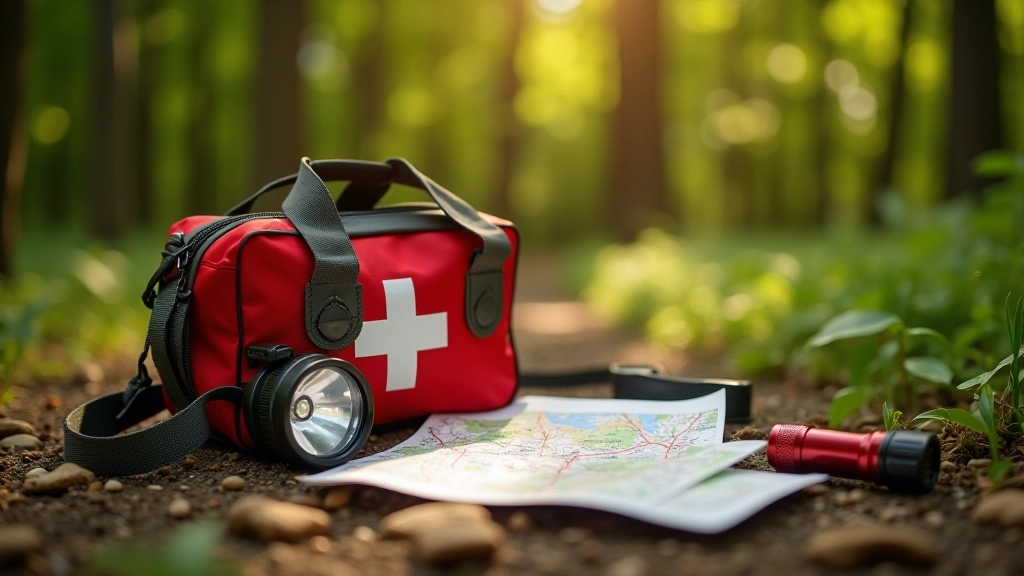
A basic first-aid kit takes up minimal space. Plasters for blisters, antiseptic wipes, and maybe some painkillers. You're unlikely to need them, but when you do, you'll be glad they're there.
A map or a phone with downloaded offline maps keeps you oriented. The heath paths are generally well-marked, but it's sensible to know where you're going. Reception can be patchy in some areas, so don't rely on GPS alone.
A small torch or headlamp is useful if you're walking during autumn or winter when daylight's short. You won't need it on a summer afternoon walk, but it's lightweight enough to carry just in case.
Carry a small bag of waste for litter. Leave no trace — take out everything you bring in. It keeps the heath beautiful for everyone.
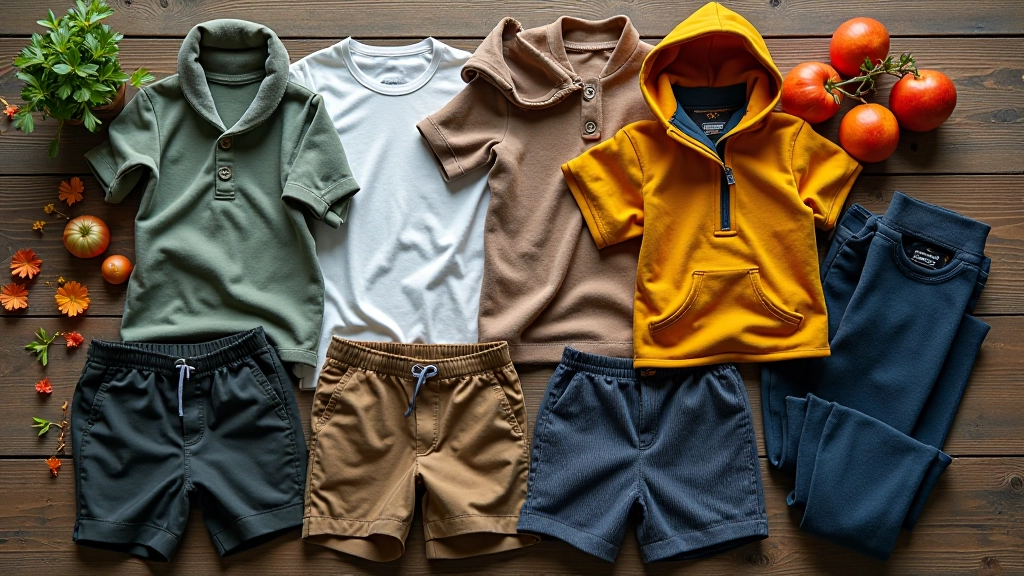
Spring and summer are mild. You'll want light layers because the sun's strong but the air can be cool, especially near dawn or dusk. Blueberry season means insect activity — a lightweight long-sleeve layer helps prevent bites.
Autumn brings wind and cooler temperatures. Pack a proper fleece or insulating layer underneath your windproof jacket. The heather turns golden and the light's beautiful, but you'll need more warmth.
Winter walks are possible and rewarding. Thermal layers are essential. Your boots need good grip because wet sand and occasional frost can be slippery. Bring extra water — you won't feel as thirsty in cold weather, but your body still needs it. Daylight's limited, so start early and bring that headlamp.
The beauty of packing right is that it's not complicated or expensive. Good boots, water, snacks, sun protection, and a few sensible extras — that's genuinely all you need. It's the difference between a walk you'll remember fondly and one where you're uncomfortable and just wanting it to end.
Start with a shorter walk — maybe two hours — and see how you feel. You'll quickly learn what works for you and what doesn't. The heath's there, the paths are good, and once you've packed properly, you'll enjoy every minute of it.
Important: Choose activities that match your fitness level, check local conditions before travelling, and speak with your GP if you have health concerns before starting a new activity. Weather and terrain conditions can change rapidly — always be prepared to turn back if needed.
What to expect on your first walk — surface conditions, distance markers, and rest spots along the way.
Read More
Learn which areas are best for spotting edible varieties and how to identify common types safely.
Read More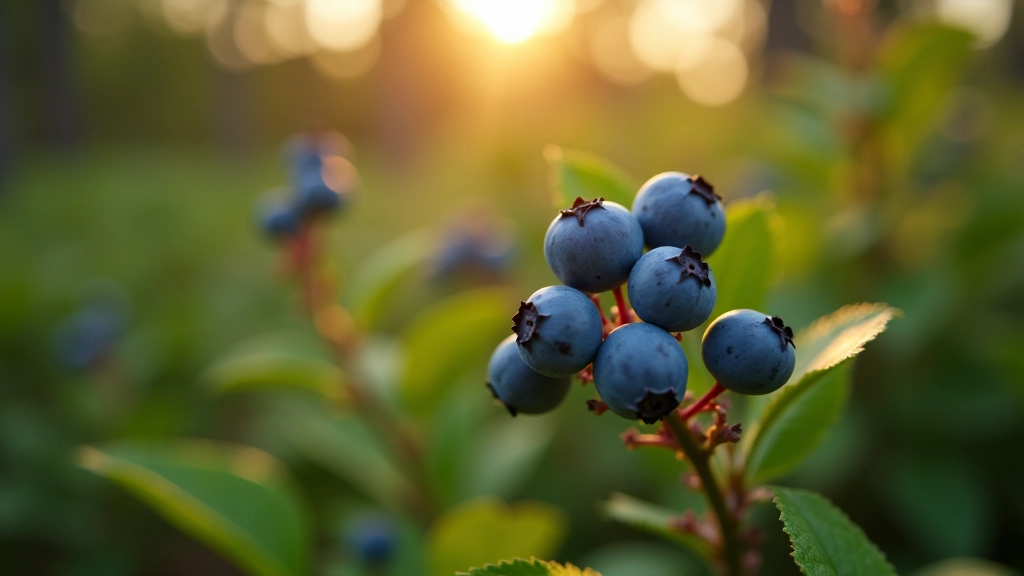
When berries are ready to pick, which routes pass through the best picking areas, and how to harvest responsibly.
Read More